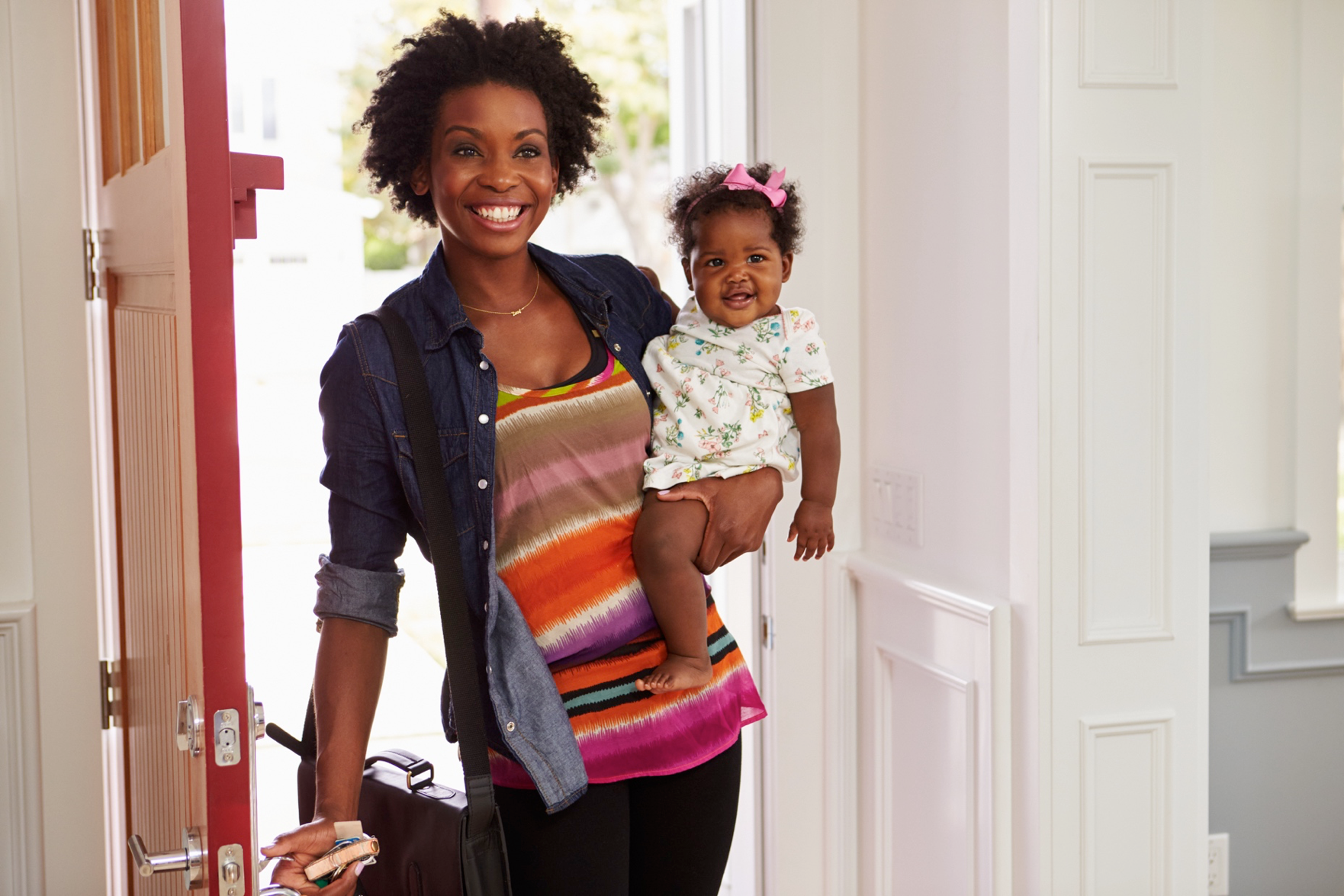
Every person bringing a child to the facility must remain until the health check has been completed by the teacher or designee & child is accepted.
Regulations & Policy
Licensing Title 22 Section 101226.1
No child may be accepted until a daily inspection for illness has been completed. Every person bringing a child to the facility must remain until the health check has been completed by the teacher or designee & child is accepted.
Home-Based Educators complete health inspection at start of home visits & play groups.
Tools:
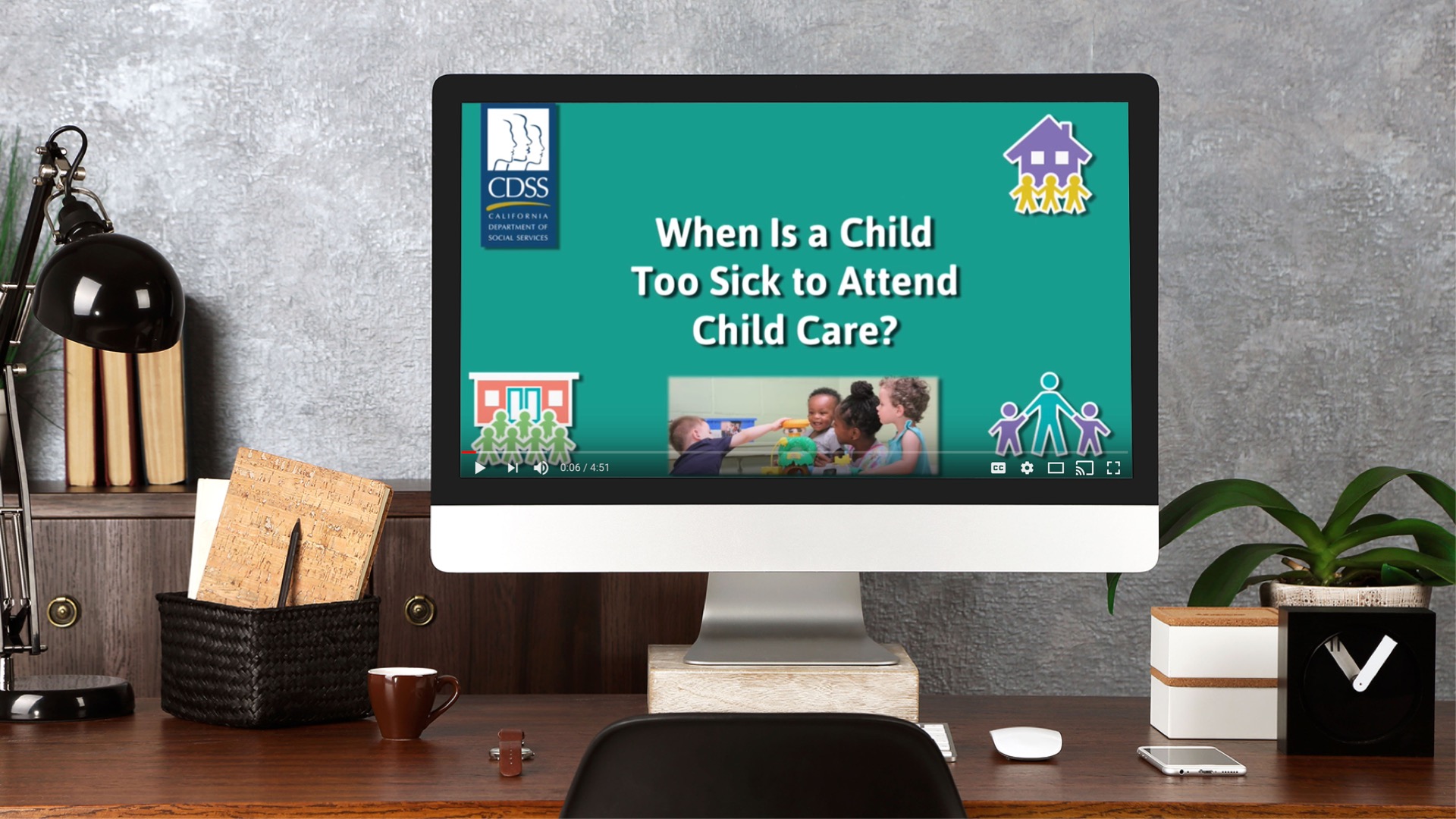
Where should health checks be done
Health checks are usually done in a location between the door & the sign-in sheet.
This allows for the health check & acceptance of the child to happen BEFORE the parent signs-in their child to care.
Occasionally, the health check may occur in a more private location, like in the case of a prolonged nit check.

When is a health check done
The health check is completed EVERYDAY, prior to the parent signing their child in for care for Center-Based programs. Home-Based Educators complete health checks at start of home visits & play groups.
A more thorough check must be done when:
Child returns to care after being absent due to an illness, such as the flu or diarrhea
Child has been exposed to a contagious disease either at home or school, such as Hand, Foot & Mouth Disease or Chicken Pox
How are health checks done
Greet the child & parent/guardian. Ask the parent/guardian of a nonverbal child, “How is Susy doing today?”
“Was there anything different last night?”
“How did he/she sleep last night?”
“Are there any changes at home that may cause him/her to act differently today (death of a pet, illness or death of a relative, change in family structure, etc.)?”
Additionally, if the child is verbal, ask the child, “How are you today?” Listen to the child talk. Is the child complaining of anything? Is the child hoarse, wheezing or making other unusual sounds?
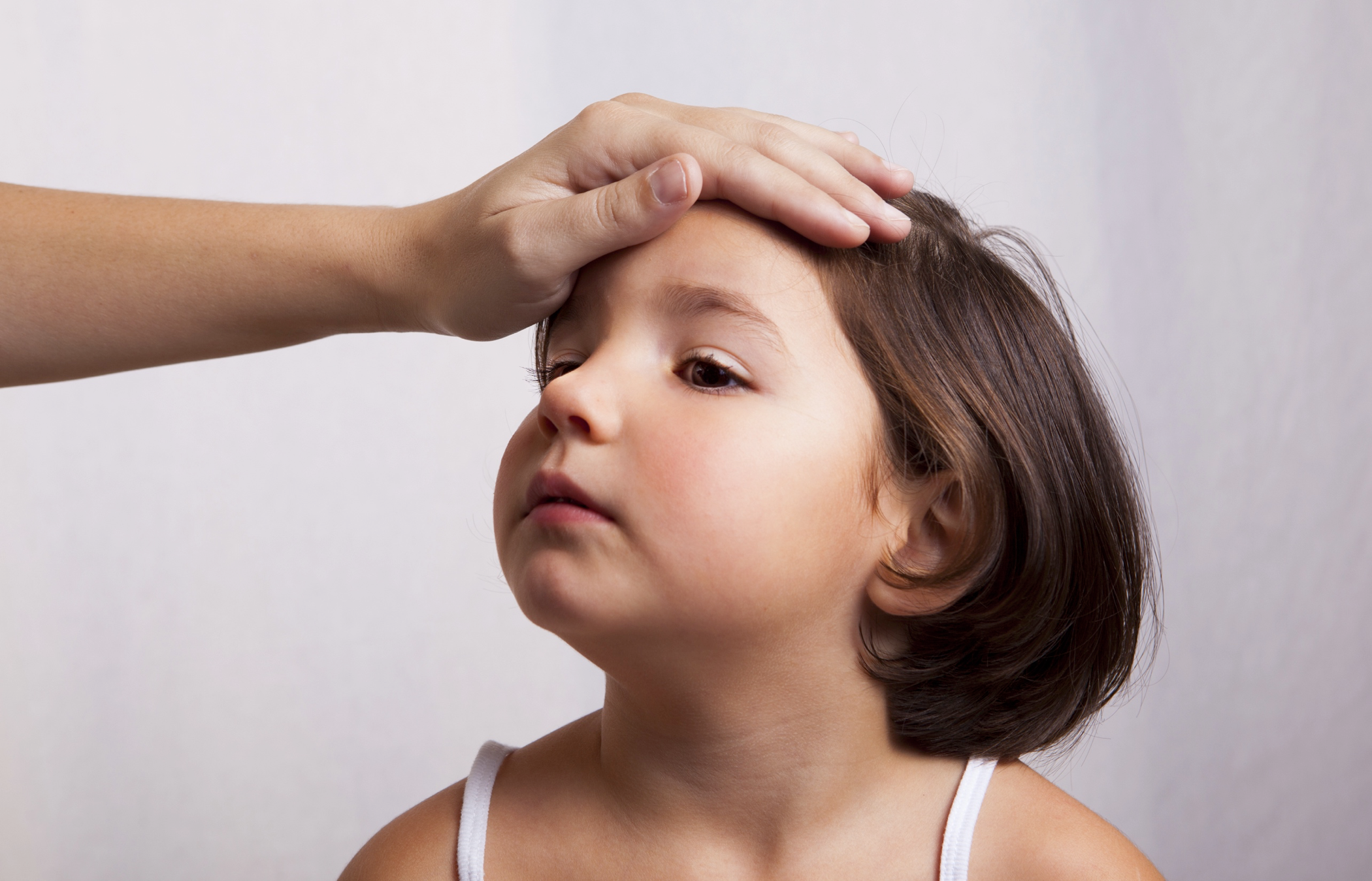
Look for signs of health or illness.
Breathing: 1) Is the child coughing? 2) Is the child breathing fast, or having difficulty breathing? 3) Is the child making any unusual sounds?
Skin: 1) Does the child look pale or flushed? 2) Do you see a rash, sores, swelling, or bruising? 3) Is the child scratching his/her skin or scalp?
Eyes, Nose, Ears, Mouth: 1) Do the child’s eyes look red, crusty, watery, or other than normal? 2) Is there a green runny nose? 3) Is the child pulling at his/her ears?
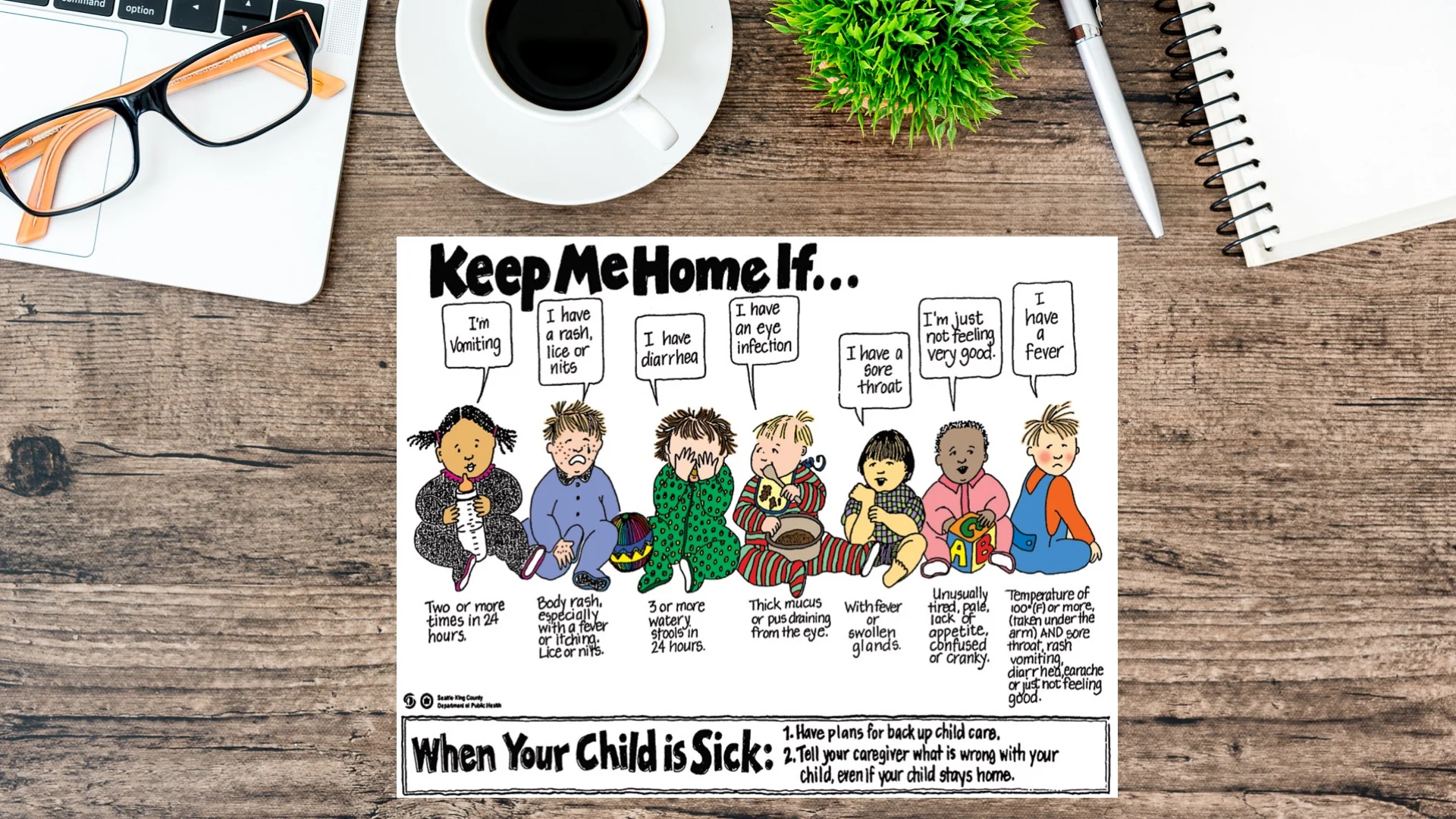
When a child is ill, the Keep Me Home If… handout/poster gives parents & teachers/providers the information they need to decide if a child should stay at home instead of attending care.
Note: This is the same poster referred to in the licensing video above.
Tool:
What if I'm not sure whether to accept a child
Put yourself in the shoes of the next parent in line.
If you would not want YOUR child to be in the classroom with the child you have concerns about, then the child should NOT be accepted.

When can an excluded child return to care
Children who are excluded for any of these reasons may return when:
Symptoms have disappeared, OR
Parent brings a doctor’s signed/dated note that the child is not contagious
Child is completely clear of head lice & nits
Eye infections have been treated with medication & there is clearance from a doctor

What if a child get's ill while in care
Children who become ill during the day must be isolated from other children & made comfortable.
The child’s parent/caretaker or other authorized adult must be notified to pick the child up immediately.
Knowledge Check
Are you ready to check for understanding? No worries, if you do not do well the first time, you can take the Knowledge Check a second time.
Good luck my friend!