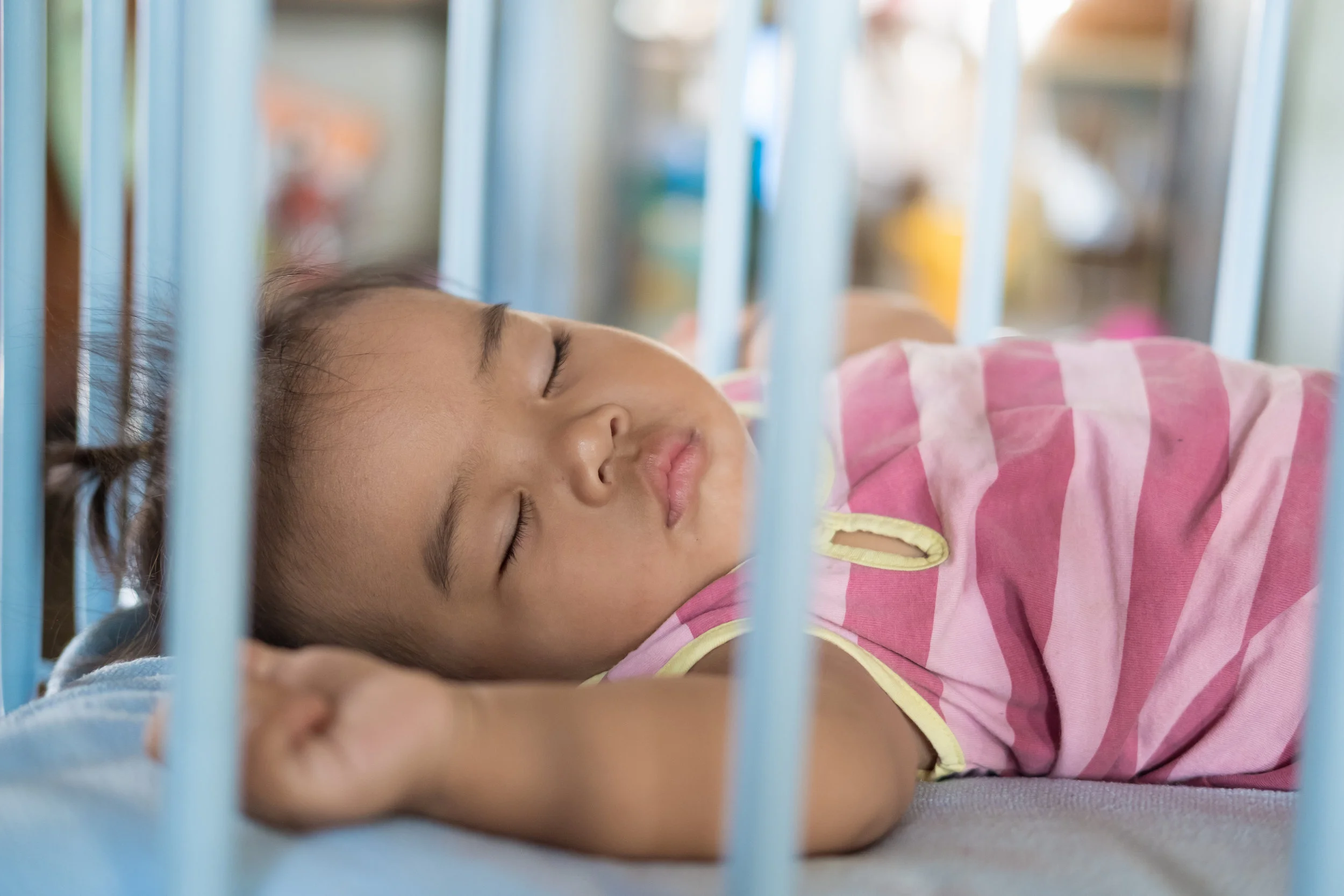
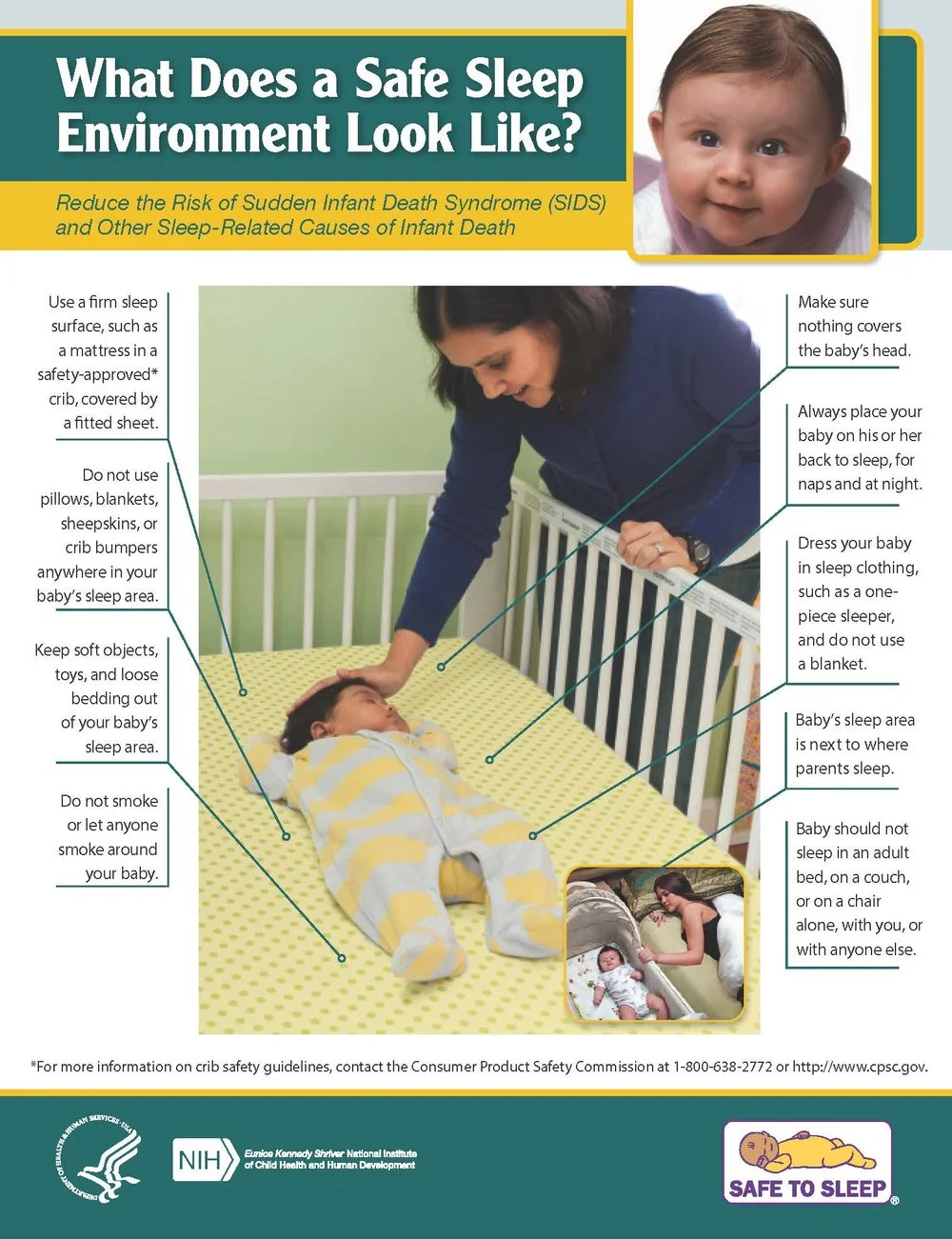
To prevent Sudden Infant Death Syndrome (SIDS) it is crucial that nothing is covering infants head, infant is sleeping on his/her back to sleep, infant is dressed in sleep clothing & no blanket, pillows, toys or loose objects are in crib.
REGULATIONS & POLICY
HS Performance Standard 1302.46
Teachers must implement safe sleep practices to ensure infants are protected from injury, suffocation or strangulation in a crib.
Staff must collaborate with parents to promote children’s health & well-being which includes educating families on the importance of following safe sleep practices.

What is SIDS
Sudden infant death syndrome (SIDS) is the sudden & unexplained death of a baby younger than 1 year old.
Most SIDS deaths are associated with sleep, which is why it's sometimes still called "crib death."
Who is at risk for SIDS
When considering which babies could be most at risk, no single thing is likely to cause a SIDS death. Rather, several risk factors might combine to cause an at-risk infant to die of SIDS.
Most SIDS deaths happen in babies 2 to 4 months old & cases rise during cold weather. Black & Native American infants are more likely to die of SIDS than Caucasian infants. More boys than girls fall victim to SIDS.
Why Is Stomach Sleeping Dangerous?
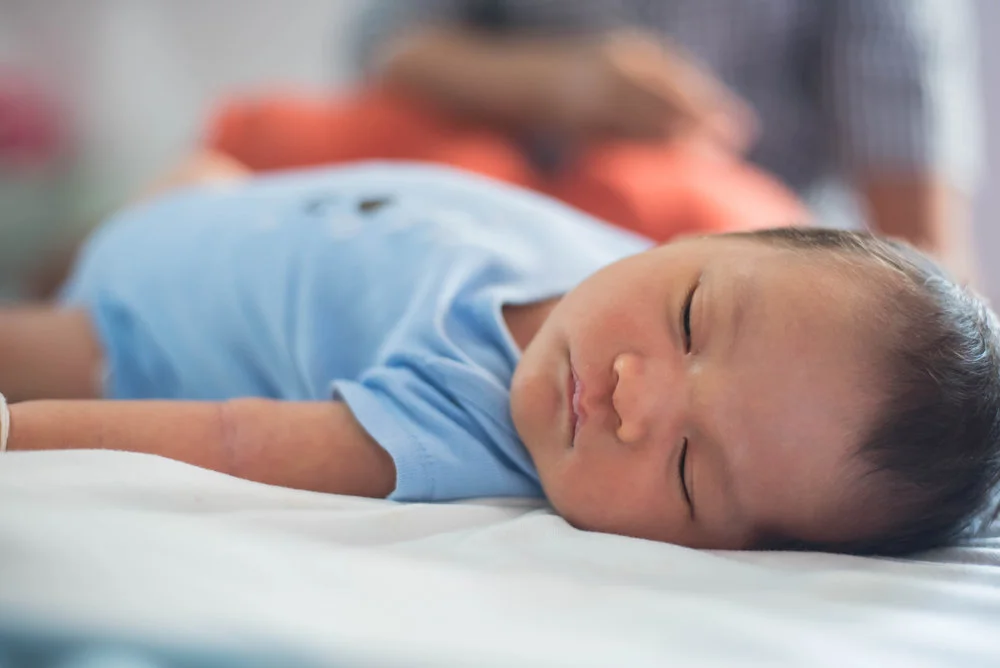
SIDS is more likely among babies placed on their stomachs to sleep than among those sleeping on their backs. Babies also should not be placed on their sides to sleep.
Stomach sleeping may block the airway & hurt breathing. Stomach sleeping can increase "rebreathing" (When a baby breathes in his or her own exhaled air) particularly if the infant is sleeping on a soft mattress or with bedding, stuffed toys, or a pillow near the face. As the baby rebreathes exhaled air, the oxygen level in the body drops & the level of carbon dioxide rises.
Safe Sleep for Infants
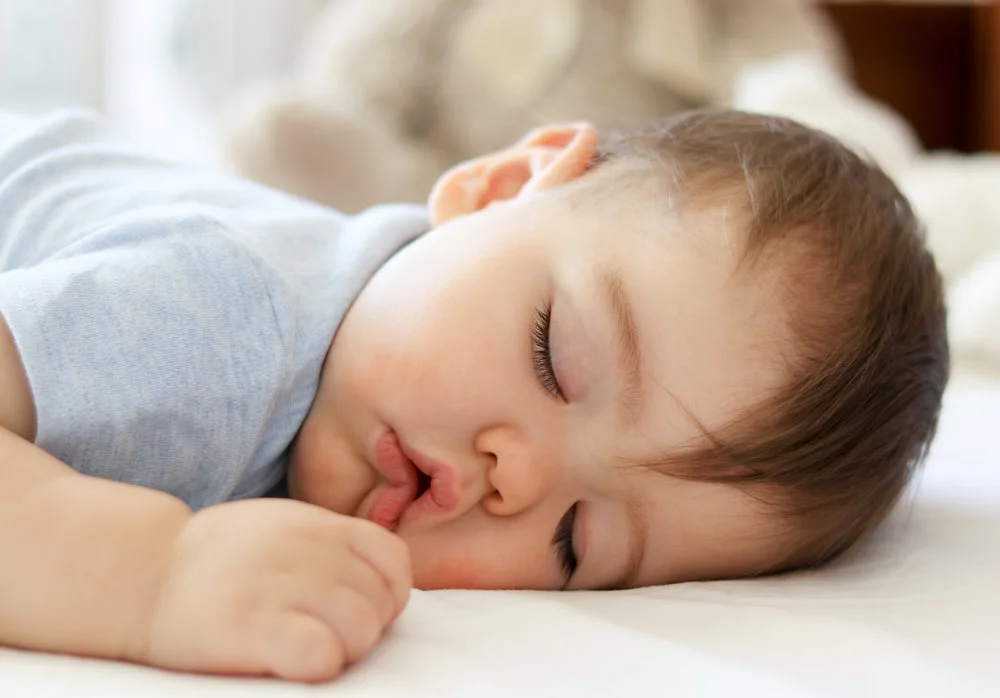
All infants must have a sleep environment that prevents injury & decreases the risk of SIDS.
Always put to sleep on his/her back
Ensure crib sheet is fitted
No blanket, pillows, toys or loose objects
Never place infant in crib with a bottle
Dressed in sleep clothing, such as a one-piece sleeper
Infants can only sleep in the crib. If they arrive asleep in a car seat, move him/her to the crib
Infants will not share cribs/cots
Infants may be offered a pacifier, if provided by parent. The pacifier may not be attached by a string
In the rare case of a medical condition requiring a sleep position other than on the back, the parent must provide a signed physician order, documented on Individual Health Care Plan & included on the Infant Needs & Service Plan
Tools:
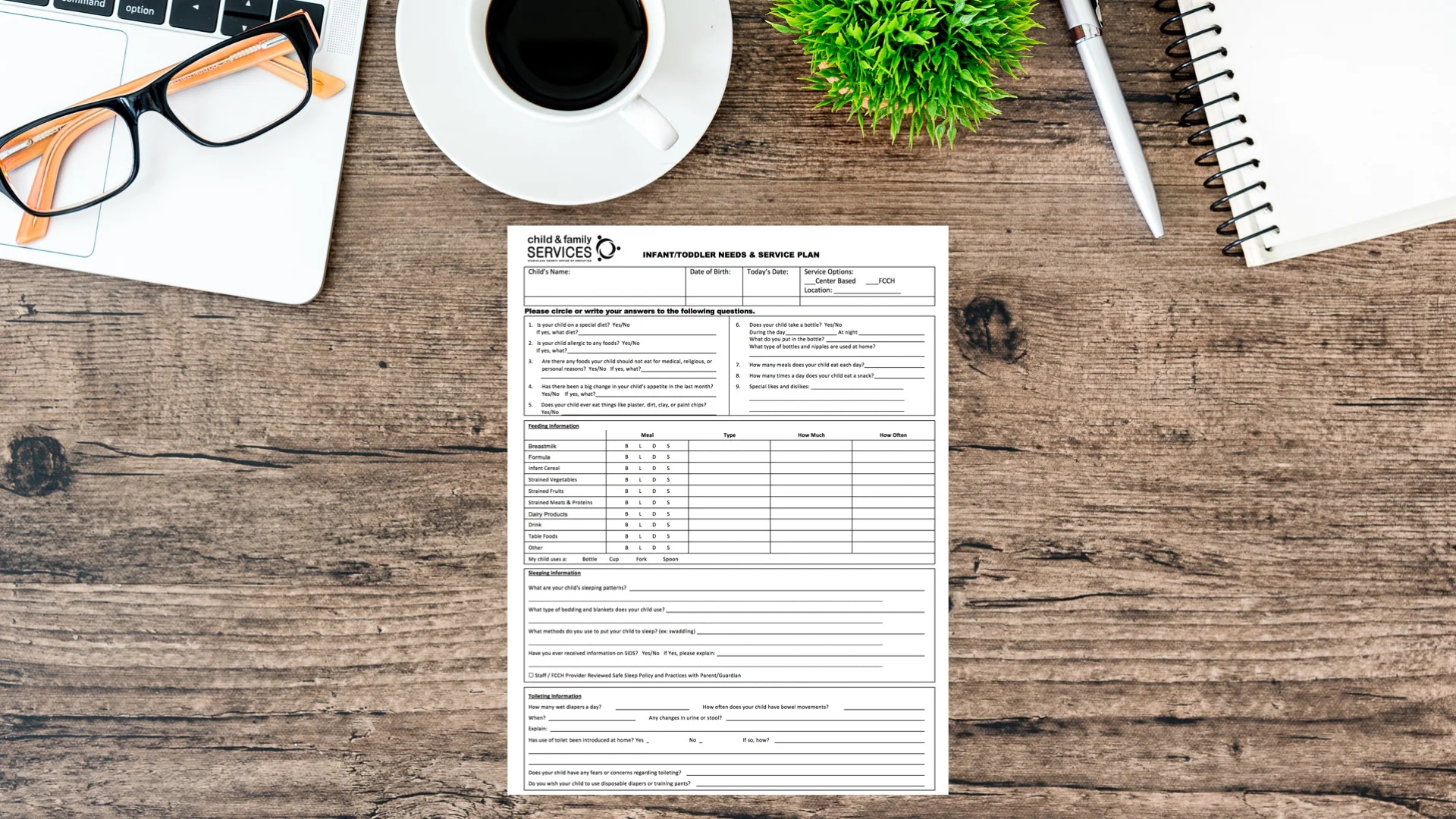
Infant Needs & Service Plan
In collaboration with infants parent, the following must be recorded within the Sleeping Information section of the Infant Needs & Service Plan:
Infant’s sleeping patterns at home
Type of infant bedding & blankets used at home (if any)
Method parent uses to put their infant to sleep
Information parent has received on SIDS
Note: An Infant Needs & Service Plan is completed at the time of enrollment & updated quarterly
Tools:
Knowledge Check
Are you ready to check for understanding? No worries, if you do not do well the first time, you can take the Knowledge Check a second time.
Good luck my friend!