
Programs must complete a Child & Family Transition Plan for all Head Start children & families. The purpose of the transition tool kit as outlined on this page, is for staff to have some effective strategies they can utilize with children & families during times of transition. Staff is not required to use all of the strategies listed for every situation, but use this tool as a resource for planning.
Regulations & Policy
HS Performance Standards 1302.46, 1302.63, 1302.70, 1302.71 & 1302.72
Head Start programs must complete a Child & Family Transition Plan for all children & families. RHS & EHS center-based & FCCH educators will develop a social-emotional goal from DRDP assessment tool to include strategies for school & home prior to child’s first day of attendance.
Document all transition activity on the Child & Family Transition Plan form
Tools:
DRDP 2025 Sample SED Strategies

All Transitions
All Transitions
To support children & families, all transitions must include:
Staff will develop social emotional goal from DRDP Assessment tool as well as strategies for child care environment & child’s home.
Staff will implement a child & family transition plan for individual children to support daily transitions throughout the day as well as in & out of programs.
Primary Caregivers will establish secure & trusting relationships to support social/emotional & cognitive growth which prepares children for the new setting.
Strategies will be conducted in the parent’s primary language.
Parents will give consent prior to transferring any records.
Parents will receive a parent handbook & program information prior to the transition.
Staff provides training on parent rights & responsibilities, decision making, & early childhood curriculum to parents.
Staff will provide transition information through newsletter and/or parent handouts.
Staff will provide education experiences to parents to become advocates for their children.
Staff will use orientation & parent conferences to make updates to the transition plan as needed.
Visit children in their new setting.

New Child
For a child entering our program for the first time:
Conduct a home visit prior to enrollment.
Ask the family about the child’s preferences & personality.
Schedule a time for the child & family to visit the new setting in advance.
The child can bring something familiar with them to the new setting (pictures, stuffed animal, blanket etc.).
Conduct a CST prior to the first day of attendance when there are health conditions that may necessitate the program to make any accommodations.
Complete the Infant needs & service plan in conjunction with the family in center base programs. (I/T only)

Program Option Transfer
For a child transferring from one program option to another program option:
Discuss the new setting options with the family & make sure the proper paperwork & applications are in place. Share the new program’s parent handbook & policies with the family.
Set up a time to meet with the receiving staff & family.
Set up a time to visit the new setting or if the child is transferring into a home base model, conduct a home visit with the new home visitor.
Conduct a follow-up visit with the child in their new setting.

Center Transfer
For a child transferring from one center to another:
Request/send transfer of child records to appropriate center.
Visit the new setting with the child & family.
Meet with the receiving staff to discuss the child’s routines, likes, dislikes, interests, special accommodations, etc.


Agency Transfer
For a child transferring from one agency to another:
Assist the family in getting on the new site’s wait list.
The receiving agency will fill out a request for children’s records.
The current agency will send or deliver the child’s records to the new agency.
Visit the site with the child & family.
Meet with the receiving staff to share information about the child.
Infant/Toddler Transitions
Pregnant Woman
For a pregnant woman transferring to infant center base:
Family Partnership Agreement goals will be developed & can include transition steps.
Start planning with the receiving desired center for the child’s attendance at least 30 days prior to the due date.
Pregnant woman can visit the center & meet the caregivers.
Staff will complete an application for infants born to enrolled pregnant women within the first six weeks of the child’s birth. Transition of the infant can occur after the infant turns six weeks but no later than 10 weeks in a typical circumstance.

Infant to Toddler Classroom Transfer
For a child transferring from Infant to Toddler classroom:
The receiving caregiver will visit the infant classroom with the child.
The current caregiver will visit the toddler classroom with the child.
The family will meet with the current & future caregiver.
The current & future caregiver will meet to discuss the child’s routines, likes, dislikes, interests, special accommodations, etc.
The child could take a familiar object with them to the toddler classroom.

Toddler to Preschool Classroom Transfer
For a child transferring from a toddler to preschool classroom:
The transition discussion should start 6 months before the child’s third Birthday or as soon as possible for programs operating for short periods of time.
Talk to the family about different preschool setting options.
Visit the new setting or a preschool setting with the child & family.
An application must be completed for the next setting one to two months before the child’s third birthday.
Meet with the receiving staff to discuss the child’s routines, likes, dislikes, interests, special accommodations, etc.

Preschool to Kindergarten Transitions
Preschool to Kindergarten
For a child transferring from Preschool to Kindergarten:
Staff can meet with Kindergarten teachers/staff to share expectations & build relationships with the different schools.
Share the documents & resources you use to track children’s progress with kindergarten teachers.
Visit new setting & meet new staff if possible.
Invite a kindergarten teacher to a parent meeting.
Have a kindergarten teacher visit the Head Start classroom or Home.
Have lunch in the cafeteria at the elementary school.
Provide information to families on the different types of schools in the community (public, charter, & home school, private).
Provide registration information.
Complete a Ready for School (R4S) on each child & share the results with the family.
Send a copy of the Ready for School (R4S) to the receiving elementary school.
Provide some simple ideas/activities that families can utilize at home with their child.
Conduct a follow-up visit to check-in on the child after the transition occurs.

Disabilities
Entering Program for First Time
For a child with an active IFSP or IEP entering the program for the first time:
Ensure that the family has signed a Parent/Guardian Consent for Release of Information (R-34) form indicating the child’s current special education provider on the first page. This may include agencies contracted by the Part C provider (IFSP).
Check the IEP/IFSP document for understanding of qualifying condition, services provided, by whom, the frequency & duration of interventions & any special accommodations or modifications recommended by the IEP/ IFSP team for the classroom setting.
Contact the disabilities supervisor for support if a Child Success Team (CST) meeting is needed to support the child’s attendance.
Follow up with parent within the first two weeks to ensure that the child is receiving the identified services when not provided at the Head Start site.
Contact disabilities supervisor/designee for support when needed.
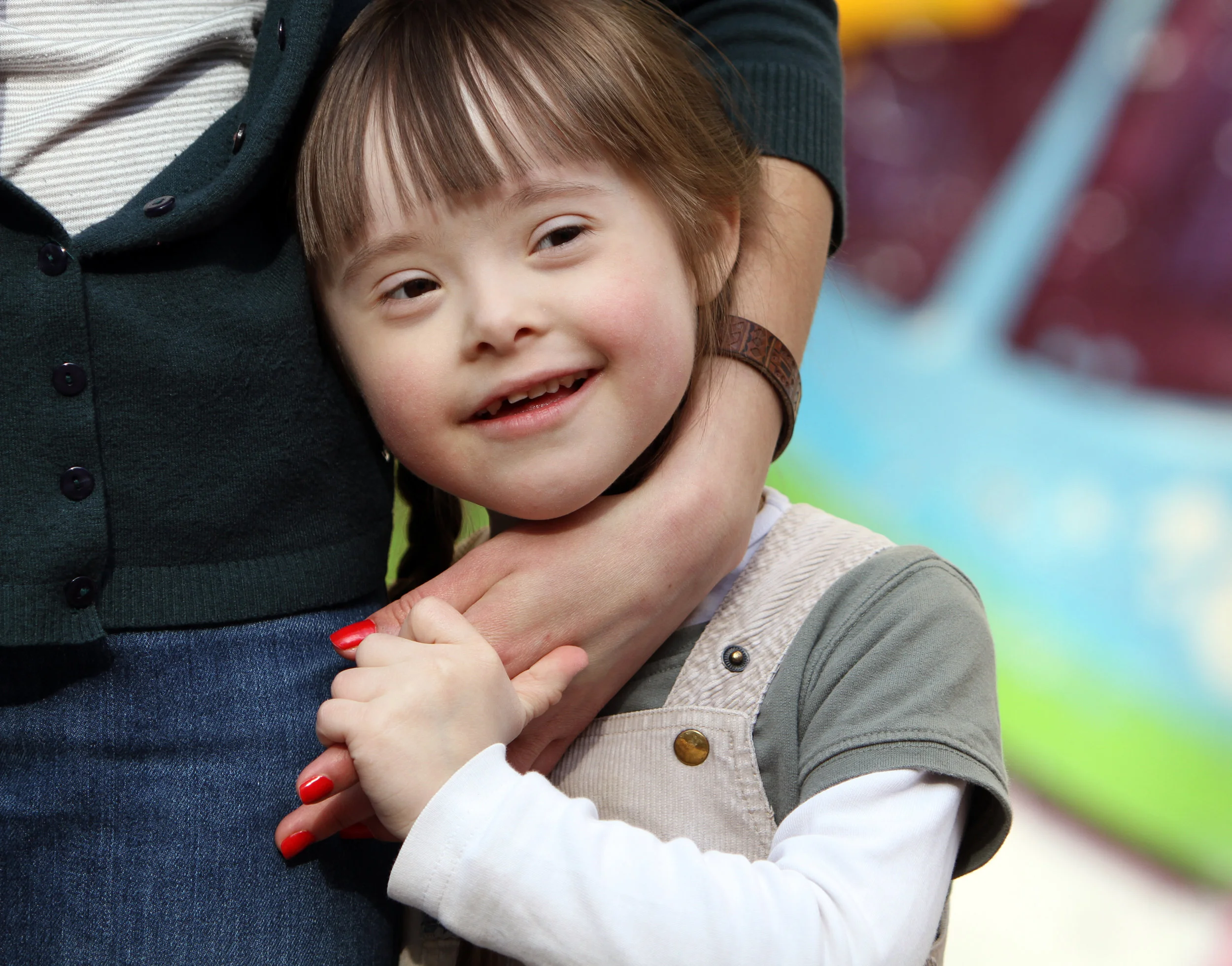
IFSP to IEP
For a child with an Active IFSP transitioning to an IEP:
Caregiver/ Home Educator will attend the transition IFSP meeting (usually no later than 6 months prior to the child’s third birthday.)
Caregiver/Home Educator will provide the family with an updated Parent/Guardian Consent for Release of Information form (R-34) with the child’s district of residence indicated on the first page. Review document with the parent & request signature.
Contact disabilities supervisor if a Child Success Team meeting is needed to plan for the child’s attendance in a center-based program.

IEP to Kindergarten
Child with an active IEP transferring to kindergarten:
Collaborate with the child’s special education service provider to gain information about special education settings or services that may be offered to the child’s family in the coming year to support the child’s needs.
Inform parents of Kindergarten, or Transitional Kindergarten registration dates.
Prepare a statement of the child’s present levels of development gathered by work samples, or observations in the classroom to share at the child’s transition IEP meeting located at the school site where the child will attend Kindergarten or Transitional Kindergarten. The following areas of development should be discussed: Cognitive, Literacy, Social/emotional, Physical (both fine & gross motor), & self-help. Be prepared to discuss daily attendance & the ability to follow routines within the classroom setting.

Knowledge Check
Are you ready to check for understanding? No worries, if you do not do well the first time, you can take the Knowledge Check a second time.
Good luck my friend!